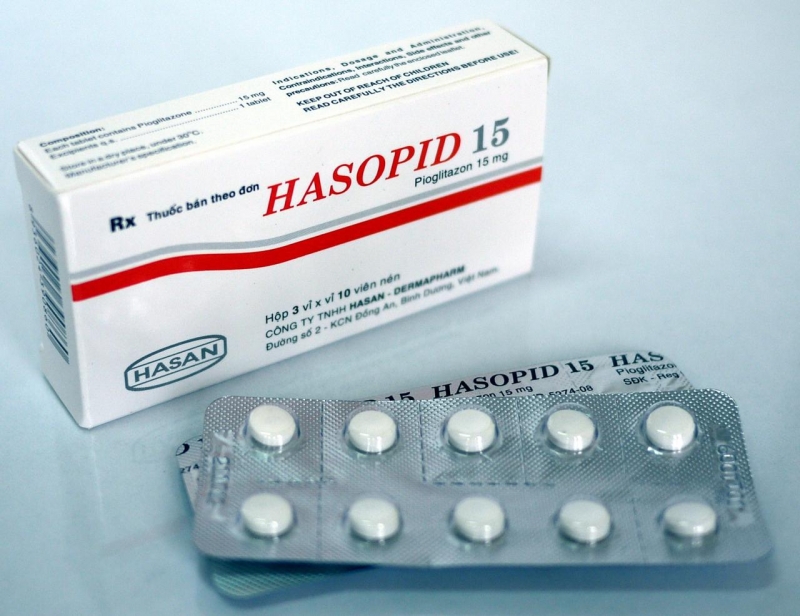
Pioglitazone is used to treat a type of diabetes mellitus (sugar diabetes) called type 2 diabetes. It may be used alone, with insulin, with metformin, or with another oral medicine called a sulfonylurea. Pioglitazone is to be used when diet and exercise do not result in good blood sugar control.
pioglitazone is available only with your doctor's prescription.
Before Using pioglitazone
In deciding to use a medicine, the risks of taking the medicine must be weighed against the good it will do. This is a decision you and your doctor will make. For pioglitazone, the following should be considered:
Allergies
Tell your doctor if you have ever had any unusual or allergic reaction to pioglitazone or any other medicines. Also tell your health care professional if you have any other types of allergies, such as to foods, dyes, preservatives, or animals. For non-prescription products, read the label or package ingredients carefully.
Pediatric
Appropriate studies have not been performed on the relationship of age to the effects of pioglitazone in the pediatric population. Safety and efficacy have not been established.
Geriatric
Appropriate studies performed to date have not demonstrated geriatric-specific problems that would limit the usefulness of pioglitazone in the elderly. However, elderly patients are more likely to have age-related heart disease, which may require an adjustment in the dose for patients receiving pioglitazone.
Pregnancy
Pregnancy Category
Explanation
All Trimesters
C
Animal studies have shown an adverse effect and there are no adequate studies in pregnant women OR no animal studies have been conducted and there are no adequate studies in pregnant women.
Breast Feeding
There are no adequate studies in women for determining infant risk when using this medication during breastfeeding. Weigh the potential benefits against the potential risks before taking this medication while breastfeeding.
Interactions with Medicines
Using pioglitazone with any of the following medicines is usually not recommended, but may be required in some cases. If both medicines are prescribed together, your doctor may change the dose or how often you use one or both of the medicines.
Tolvaptan
Using pioglitazone with any of the following medicines may cause an increased risk of certain side effects, but using both drugs may be the best treatment for you. If both medicines are prescribed together, your doctor may change the dose or how often you use one or both of the medicines.
Atorvastatin
Bitter Melon
Ethinyl Estradiol
Fenugreek
Gemfibrozil
Glucomannan
Guar Gum
Ketoconazole
Levonorgestrel
Mestranol
Norethindrone
Norgestrel
Psyllium
Rifampin
St John's Wort
Topiramate
Interactions with Food/Tobacco/Alcohol
Certain medicines should not be used at or around the time of eating food or eating certain types of food since interactions may occur. Using alcohol or tobacco with certain medicines may also cause interactions to occur. Discuss with your healthcare professional the use of your medicine with food, alcohol, or tobacco.
Other Medical Problems
The presence of other medical problems may affect the use of pioglitazone. Make sure you tell your doctor if you have any other medical problems, especially:
Diabetic ketoacidosis (ketones in the blood) or
Type I diabetes—Should not be used in patients with these conditions. Insulin is needed to control these conditions.
Diabetic macular edema (swelling of the back of the eye) or
Edema (fluid retention or swelling) or
Heart disease or
Liver disease—Use with caution. May make these conditions worse.
Fever or
Infection or
Surgery or
Trauma—These conditions may cause temporary problems with blood sugar control and your doctor may want to treat you temporarily with insulin.
Fragile bones (especially women)—Use with caution. pioglitazone may increase the risk of fractures.
Heart failure, severe—Should not be used in patients with this condition.
Proper Use of pioglitazone
Follow carefully the special meal plan your doctor gave you. This is the most important part of controlling your diabetes, and is necessary if the medicine is to work properly. Also, exercise regularly and test for sugar in your blood or urine as directed.
pioglitazone should come with a medication guide. Read and follow these instructions carefully. Ask your doctor if you have any questions.
Pioglitazone may be taken with or without food.
Do not change your dose without asking your doctor. Your doctor may need to change your dose to control your blood sugar.
Dosing
The dose of pioglitazone will be different for different patients. Follow your doctor's orders or the directions on the label. The following information includes only the average doses of pioglitazone. If your dose is different, do not change it unless your doctor tells you to do so.
The amount of medicine that you take depends on the strength of the medicine. Also, the number of doses you take each day, the time allowed between doses, and the length of time you take the medicine depend on the medical problem for which you are using the medicine.
For oral dosage form (tablets):
For type 2 diabetes:
Pioglitazone alone:
Adults—At first, 15 or 30 milligrams (mg) once a day. Your doctor may adjust your dose as needed. However, the dose is usually not more than 45 mg once a day.
Children—Use and dose must be determined by your doctor.
Pioglitazone with insulin:
Adults—At first, 15 or 30 milligrams (mg) once a day. Your doctor may adjust your dose as needed However, the dose is usually not more than 45 mg once a day.
Children—Use and dose must be determined by your doctor.
Pioglitazone with metformin:
Adults—At first, 15 or 30 milligrams (mg) once a day. Your doctor may adjust your dose as needed. However, the dose is usually not more than 45 mg once a day.
Children—Use and dose must be determined by your doctor.
Pioglitazone with a sulfonylurea:
Adults—At first, 15 or 30 milligrams (mg) once a day. Your doctor may adjust your dose as needed. However, the dose is usually not more than 45 mg once a day.
Children—Use and dose must be determined by your doctor.
Missed Dose
If you miss a dose of pioglitazone, take it as soon as possible. However, if it is almost time for your next dose, skip the missed dose and go back to your regular dosing schedule. Do not double doses.
Storage
Store the medicine in a closed container at room temperature, away from heat, moisture, and direct light. Keep from freezing.
Keep out of the reach of children.
Do not keep outdated medicine or medicine no longer needed.
Ask your healthcare professional how you should dispose of any medicine you do not use.
Precautions While Using pioglitazone
It is very important that your doctor check your progress at regular visits to make sure that pioglitazone is working properly. Blood tests may be needed to check for unwanted effects.
Certain women may be at an increased risk for pregnancy while taking pioglitazone. If you have had problems ovulating before (have irregular periods), pioglitazone may cause you to ovulate. This could increase your chance of becoming pregnant. Talk with your doctor if you have questions or concerns about this.
Check with your doctor right away if you start having chest pain; shortness of breath; excessive swelling of the hands, wrist, ankles, or feet; or if you are rapidly gaining weight. These may be symptoms of a serious heart problem.
If you experience abdominal or stomach pain, dark urine, loss of appetite, nausea or vomiting, unusual tiredness or weakness, or yellow eyes or skin, check with your doctor immediately. These may be symptoms of liver problems.
Check with your doctor immediately if blurred vision, decreased vision, or any other change in vision occurs during your treatment. Your doctor may want you to have your eyes checked by an ophthalmologist (eye doctor).
pioglitazone may increase the risk of bone fractures in women. Ask your doctor about ways to keep your bones strong to help prevent fractures.
It is very important to carefully follow any instructions from your health care team about:
Alcohol—Drinking alcohol may cause severe low blood sugar. Discuss this with your health care team.
Other medicines—Do not take other medicines during the time you are taking pioglitazone unless they have been discussed with your doctor. This especially includes nonprescription medicines such as aspirin, and medicines for appetite control, asthma, colds, cough, hay fever, or sinus problems.
Counseling—Other family members need to learn how to prevent side effects or help with side effects if they occur. Also, diabetic patients may need special counseling about diabetes medicine dosing changes that might occur because of lifestyle changes, such as changes in exercise and diet. Furthermore, counseling on contraception and pregnancy may be needed because of the problems that can occur during pregnancy in patients with diabetes.
Travel—Keep a recent prescription and your medical history with you. Be prepared for an emergency as you would normally. Make allowances for changing time zones and keep your meal times as close as possible to your usual meal times.
In case of emergency—There may be a time when you need emergency help for a problem caused by your diabetes. You need to be prepared for these emergencies. It is a good idea to wear a medical identification (ID) bracelet or neck chain at all times. Also, carry an ID card in your wallet or purse that says that you have diabetes and a list of all of your medicines.
Symptoms of fluid retention—Know what to do if you start to retain fluid. Fluid retention may worsen or lead to heart problems.
pioglitazone does not cause hypoglycemia (low blood sugar). However, low blood sugar can occur when you take pioglitazone with other medicines that can lower blood sugar, such as insulin, metformin, or a sulfonylurea. Low blood sugar also can occur if you delay or miss a meal or snack, exercise more than usual, drink alcohol, or cannot eat because of nausea or vomiting.
Symptoms of low blood sugar include anxiety; behavior change similar to being drunk; blurred vision; cold sweats; confusion; cool, pale skin; difficulty with thinking; drowsiness; excessive hunger; fast heartbeat; headache (continuing); nausea; nervousness; nightmares; restless sleep; shakiness; slurred speech; or unusual tiredness or weakness.
If symptoms of low blood sugar occur, eat glucose tablets or gel, corn syrup, honey, or sugar cubes; or drink fruit juice, non-diet soft drink, or sugar dissolved in water to relieve the symptoms. Also, check your blood for low blood sugar. Glucagon is used in emergency situations when severe symptoms such as seizures (convulsions) or unconsciousness occur. Have a glucagon kit available, along with a syringe and needle, and know how to use it. Members of your family also should know how to use it.
Hyperglycemia (high blood sugar) may occur if you do not take enough or skip a dose of your antidiabetic medicine, overeat or do not follow your meal plan, have a fever or infection, or do not exercise as much as usual.
Symptoms of high blood sugar include blurred vision; drowsiness; dry mouth; flushed, dry skin; fruit-like breath odor; increased urination (frequency and amount); ketones in urine; loss of appetite; stomachache, nausea, or vomiting; tiredness; troubled breathing (rapid and deep); unconsciousness; or unusual thirst.
If symptoms of high blood sugar occur, check your blood sugar level and then call your doctor for instructions.
Pioglitazone Side Effects
Along with its needed effects, a medicine may cause some unwanted effects. Although not all of these side effects may occur, if they do occur they may need medical attention.
Check with your doctor immediately if any of the following side effects occur:
More common
Chest pain
decreased urine output
dilated neck veins
extreme fatigue
irregular breathing
irregular heartbeat
problems with teeth
shortness of breath
swelling of the face, fingers, feet, or lower legs
tightness in the chest
trouble with breathing
weight gain
wheezing
Less common
Pain or swelling in the arms or legs without an injury
pale skin
swelling
trouble with breathing when active
unusual bleeding or bruising
unusual tiredness or weakness
Incidence not known
Dark urine
loss of appetite
nausea or vomiting
stomach pain
unexplained, rapid weight gain
yellow eyes or skin
Some side effects may occur that usually do not need medical attention. These side effects may go away during treatment as your body adjusts to the medicine. Also, your health care professional may be able to tell you about ways to prevent or reduce some of these side effects. Check with your health care professional if any of the following side effects continue or are bothersome or if you have any questions about them:
More common
Blurred vision or other changes in vision
cough
dry mouth
flushed, dry skin
fruit-like breath odor
headache
increased hunger
increased thirst
increased urination
loss of consciousness
muscle pain or soreness
problems with your teeth
runny or stuffy nose
sore throat
stomachache
sweating
unexplained weight loss
Other side effects not listed may also occur in some patients. If you notice any other effects, check with your healthcare professional.


 Home
Home About us
.gif) Products
Products.gif) Medical knowledge
Medical knowledge Health Community
 Time of Medicine
 Relax
Relax News
News Career
 Shop online
 Contact US
 Products
 CALCIUM HASAN product
.png) Product Search
Product Search.gif) Usage consultation
Usage consultation