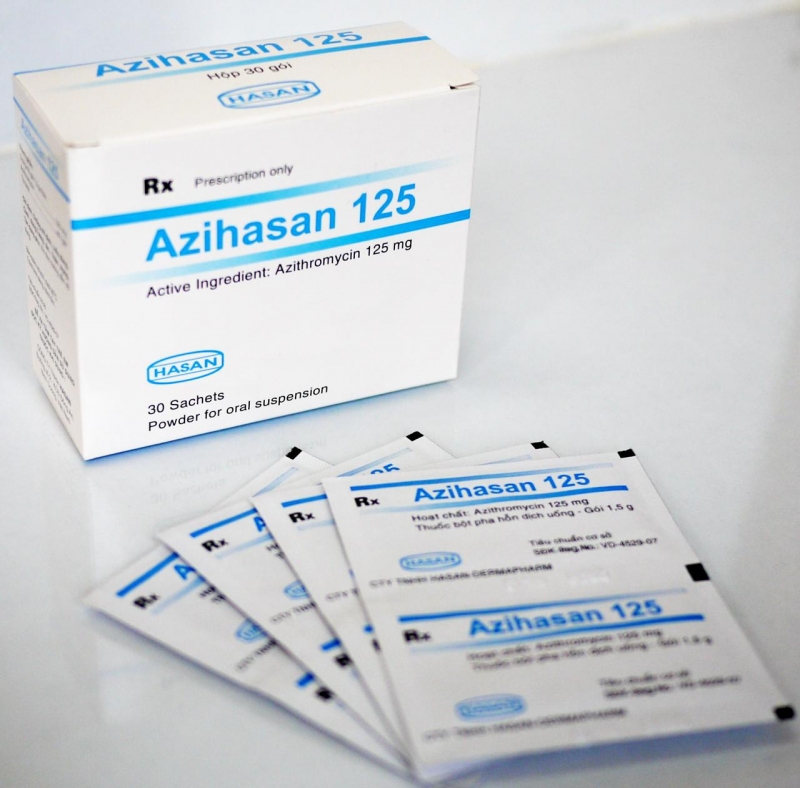
Azithromycin is used to treat certain bacterial infections in many different parts of the body. Azithromycin may mask or delay the symptoms of syphilis. It is not effective against syphilis infections.
Azithromycin belongs to the class of drugs known as macrolide antibiotics. It works by killing bacteria or preventing their growth. However, azithromycin will not work for colds, flu, or other virus infections.
azithromycin is available only with your doctor's prescription.
Before Using azithromycin
In deciding to use a medicine, the risks of taking the medicine must be weighed against the good it will do. This is a decision you and your doctor will make. For azithromycin, the following should be considered:
Allergies
Tell your doctor if you have ever had any unusual or allergic reaction to azithromycin or any other medicines. Also tell your health care professional if you have any other types of allergies, such as to foods, dyes, preservatives, or animals. For non-prescription products, read the label or package ingredients carefully.
Pediatric
Appropriate studies performed to date have not demonstrated pediatric-specific problems that would limit the usefulness of azithromycin in children and infants 6 months of age and older. Safety and efficacy have not been established in infants below 6 months of age.
Geriatric
Appropriate studies performed to date have not demonstrated geriatric-specific problems that would limit the usefulness of azithromycin in the elderly.
Pregnancy
Pregnancy Category
Explanation
All Trimesters
B
Animal studies have revealed no evidence of harm to the fetus, however, there are no adequate studies in pregnant women OR animal studies have shown an adverse effect, but adequate studies in pregnant women have failed to demonstrate a risk to the fetus.
Breast Feeding
Studies in women suggest that this medication poses minimal risk to the infant when used during breastfeeding.
Interactions with Medicines
Using azithromycin with any of the following medicines is not recommended. Your doctor may decide not to treat you with this medication or change some of the other medicines you take.
Dihydroergotamine
Ergoloid Mesylates
Ergonovine
Ergotamine
Methylergonovine
Methysergide
Pimozide
Using azithromycin with any of the following medicines is usually not recommended, but may be required in some cases. If both medicines are prescribed together, your doctor may change the dose or how often you use one or both of the medicines.
Acecainide
Amiodarone
Azimilide
Bretylium
Disopyramide
Dofetilide
Ibutilide
Propafenone
Sematilide
Sotalol
Tedisamil
Using azithromycin with any of the following medicines may cause an increased risk of certain side effects, but using both drugs may be the best treatment for you. If both medicines are prescribed together, your doctor may change the dose or how often you use one or both of the medicines.
Atorvastatin
Digoxin
Fentanyl
Lovastatin
Nelfinavir
Rifabutin
Simvastatin
Theophylline
Warfarin
Interactions with Food/Tobacco/Alcohol
Certain medicines should not be used at or around the time of eating food or eating certain types of food since interactions may occur. Using alcohol or tobacco with certain medicines may also cause interactions to occur. Discuss with your healthcare professional the use of your medicine with food, alcohol, or tobacco.
Other Medical Problems
The presence of other medical problems may affect the use of azithromycin. Make sure you tell your doctor if you have any other medical problems, especially:
Heart rhythm problems (e.g., prolonged QT interval), history of or
Myasthenia gravis—Use with caution. May make these conditions worse.
Kidney disease or
Liver disease—Effects may be increased because of slower removal of the medicine from the body.
Proper Use of azithromycin
Take azithromycin only as directed by your doctor. Do not take more of it, do not take it more often, and do not take it for a longer time than your doctor ordered.
azithromycin comes with a patient information leaflet. Read and follow the instructions carefully. Ask your doctor if you have any questions.
You may take azithromycin tablets with or without food.
Measure the extended-release oral liquid with a marked measuring spoon, syringe, or cup. You or your child must take azithromycin within 12 hours after it has been mixed with water. It is best to take the extended-release oral liquid on an empty stomach or at least 1 hour before or 2 hours after a meal. If your child does not use all of the medicine in the bottle, throw it away after you give the dose.
Keep using azithromycin for the full treatment time, even if you or your child feel better after the first few doses. Your infection may not clear up if you stop using the medicine too soon.
Dosing
The dose of azithromycin will be different for different patients. Follow your doctor's orders or the directions on the label. The following information includes only the average doses of azithromycin. If your dose is different, do not change it unless your doctor tells you to do so.
The amount of medicine that you take depends on the strength of the medicine. Also, the number of doses you take each day, the time allowed between doses, and the length of time you take the medicine depend on the medical problem for which you are using the medicine.
For oral dosage form (extended-release suspension):
For treatment of infections:
Adults—2 grams (g) once a day as a single dose.
Children weighing 75 pounds (34 kg) or more— 2 g once a day as a single dose.
Children and infants 6 months of age and older weighing less than 75 pounds (34 kg)—Dose is based on body weight and must be determined by your doctor. However, the dose is usually 60 milligrams (mg) per kilogram (kg) of body weight once a day as a single dose.
Infants below 6 months of age—Use and dose must be determined by your doctor.
For oral dosage forms (suspension or tablets):
For treatment of infections:
Adults—500 to 2000 milligrams (mg) once a day as a single dose. Depending on the type of infection, this may be followed with doses of 250 to 500 mg once a day for several days.
Children and infants 6 months of age and older—Dose is based on body weight and must be determined by your doctor. However, the recommended dose is 10 to 30 milligrams (mg) per kilogram (kg) once a day as a single dose. Depending on the type of infection, this may be followed with doses of 5 to 12 mg/kg once a day for several days.
Infants below 6 months of age—Use and dose must be determined by your doctor.
Missed Dose
If you miss a dose of azithromycin, take it as soon as possible. However, if it is almost time for your next dose, skip the missed dose and go back to your regular dosing schedule. Do not double doses.
Storage
Keep out of the reach of children.
Do not keep outdated medicine or medicine no longer needed.
Ask your healthcare professional how you should dispose of any medicine you do not use.
Store the medicine in a closed container at room temperature, away from heat, moisture, and direct light. Keep from freezing.
Do not refrigerate or freeze the extended-release oral liquid. Throw away any unused liquid after your dose.
You may store the oral liquid at room temperature or in the refrigerator. Do not freeze the bottle. Do not keep the oral liquid for more than 10 days. Throw away any unused liquid after all doses are completed.
Precautions While Using azithromycin
If you or your child's symptoms do not improve within a few days, or if they become worse, check with your doctor.
azithromycin may cause serious allergic reactions, including anaphylaxis, which can be life-threatening and require immediate medical attention. Call your doctor right away if you or your child have a rash; itching; hives; hoarseness; shortness of breath; trouble breathing; trouble swallowing; or any swelling of your hands, face, or mouth after you take azithromycin.
Azithromycin may cause diarrhea, and in some cases it can be severe. Do not take any medicine to treat diarrhea without first checking with your doctor. Diarrhea medicines may make the diarrhea worse or make it last longer. If you have any questions about this or if mild diarrhea continues or gets worse, check with your doctor.
If you or your child vomits within one hour of taking the extended-release oral liquid, call your doctor right away to see if more medicine is needed.
Do not take other medicines unless they have been discussed with your doctor. This includes prescription or nonprescription (over-the-counter [OTC]) medicines and herbal or vitamin supplements.
Azithromycin Side Effects
Along with its needed effects, a medicine may cause some unwanted effects. Although not all of these side effects may occur, if they do occur they may need medical attention.
Check with your doctor immediately if any of the following side effects occur:
More common
Diarrhea
loose stools
Less common
Blistering, crusting, irritation, itching, or reddening of the skin
cracked, dry, or scaly skin
fever
swelling
Rare
Abdominal or stomach pain
blistering, peeling, or loosening of the skin
bloody or cloudy urine
bloody, black, or tarry stools
body aches or pain
burning while urinating
chest pain
chills
congestion
cough increased
cough producing mucus
dark urine
difficult or labored breathing
difficult or painful urination
difficulty with breathing
dizziness
drowsiness
dryness or soreness of the throat
earache
fainting
fast, irregular, pounding, or racing heartbeat or pulse
general feeling of discomfort or illness
general feeling of tiredness or weakness
headache
indigestion
irregular or slow heart rate
itching
joint or muscle pain
large, hive-like swelling on the face, eyelids, lips, tongue, throat, hands, legs, feet, or sex organs
light-colored stools
loss of appetite
muscle aches and pains
nausea or vomiting
noisy breathing
passing of gas
rash
red irritated eyes
red skin lesions, often with a purple center
redness or swelling in the ear
runny nose
shivering
shortness of breath
sneezing
sores, ulcers, or white spots on the lips or in the mouth
stomach pain, continuing
stomach pain, fullness, or discomfort
stuffy nose
sweating
swelling of the face, ankles, hands, feet, or lower legs
tender, swollen glands in the neck
tightness in the chest
trouble in swallowing
trouble sleeping
unpleasant breath odor
unusual bleeding or bruising
unusual tiredness or weakness
upper right abdominal pain
voice changes
vomiting of blood
wheezing
yellow eyes or skin
Incidence not known
Abdominal or stomach cramps
abdominal tenderness
bleeding gums
bloating
blood in the urine or stools
blurred vision
change in hearing
clay-colored stools
coma
confusion
constipation
continuing ringing or buzzing or other unexplained noise in the ears
decreased urine output
depression
diarrhea, watery and severe, which may also be bloody
dizziness, faintness, or lightheadedness when getting up from a lying or sitting position suddenly
fainting
greatly decreased frequency of urination or amount of urine
hives
hostility
increased thirst
irritability
lethargy
loss of hearing
lower back or side pain
muscle twitching
pains in stomach, side, or abdomen, possibly radiating to the back
pale skin
pinpoint red spots on the skin
puffiness or swelling of the eyelids or around the eyes, face, lips, or tongue
rapid weight gain
seizures
stupor
unusual weight loss
Some side effects may occur that usually do not need medical attention. These side effects may go away during treatment as your body adjusts to the medicine. Also, your health care professional may be able to tell you about ways to prevent or reduce some of these side effects. Check with your health care professional if any of the following side effects continue or are bothersome or if you have any questions about them:
Rare
Acid or sour stomach
aggressive, angry
bad, unusual, or unpleasant (after) taste
belching
burning feeling in the chest or stomach
burning, crawling, itching, numbness, prickling, "pins and needles", or tingling feelings
change in taste
changes in the color of the tongue
crying
depersonalization
dry mouth
dysphoria
euphoria
excess air or gas in the stomach or intestines
feeling of constant movement of self or surroundings
full feeling
heartburn
hyperventilation
increase in body movements
itching of the vagina or genital area
lack or loss of strength
mental depression
nervousness
pain during sexual intercourse
paranoia
quick to react or overreact emotionally
rapidly changing moods
rash with flat lesions or small raised lesions on the skin
redness of the skin
restlessness
sensation of spinning
shaking
shortness of breath
sleepiness or unusual drowsiness
sleeplessness
sore mouth or tongue
stomach upset
thick, white vaginal discharge with no odor or with a mild odor
unable to sleep
white patches in the mouth, tongue, or throat
Incidence not known
Difficulty in moving
fear or nervousness
increased sensitivity of skin to sunlight
muscle pain or stiffness
pain in joints
redness or other discoloration of the skin
severe sunburn
trouble sitting still
Other side effects not listed may also occur in some patients. If you notice any other effects, check with your healthcare professional.


 Home
Home About us
.gif) Products
Products.gif) Medical knowledge
Medical knowledge Health Community
 Time of Medicine
 Relax
Relax News
News Career
 Shop online
 Contact US
 Products
 CALCIUM HASAN product
.png) Product Search
Product Search.gif) Usage consultation
Usage consultation